Man With Van West Kensington

Man with van services in West Kensington are a practical way to move furniture, boxes and mixed household items without committing to a full-scale removal. For many customers, the main benefit is flexibility: a vehicle sized for the job, lifting help where needed, and a straightforward approach to collecting, transporting and unloading belongings within the local area or further afield. Our service is designed around the real tasks involved in day-to-day moving, from single bulky items to fuller loads that still suit a van rather than a lorry.
We focus on work that needs care rather than complication. That can include loading from a flat, a converted building, a storage unit or a business premises, then moving items safely to the next address. If you need a man with van in West Kensington for a home move, furniture collection or office transport, the service is built to keep the process simple, organised and easy to understand. When you are comparing options, start with the type of load, access at each end and the level of handling support you need.
For a clear price, the most useful details are the item list, collection and delivery points, floor access, and whether the move includes packing, dismantling or assembly. Good preparation saves time and helps the quote reflect the actual work. You can keep the process direct: note the larger pieces first, mention anything fragile or awkward, and say whether parking or waiting restrictions may affect the job. If you are ready to discuss a move, you can start with a brief enquiry today.
House moves and smaller domestic removals
Domestic van moves suit customers who need more help than a car can provide but do not need a large removals team. A careful man and van arrangement can handle beds, wardrobes, sofas, white goods, packed boxes and the everyday mixed contents that make up a home move. The service is often chosen for one-bedroom flats, shared homes, studio moves and smaller family households where access is tight or the load is best moved in one or two efficient trips rather than a large vehicle load.
We can also help when a move is only part of a bigger transition. Some customers want a single van for a few items from storage, while others need a full domestic collection with loading support at both addresses. The best outcome usually comes from matching the vehicle size and handling plan to the actual furniture list. If you want to compare home move options, home moves gives a straightforward starting point, while the wider house removals page suits customers looking for a broader domestic relocation service.
Not every move requires the same level of assistance, so it helps to think about what is being transported and how it is packed. Fragile items, narrow stairways and heavy wardrobes may need slower handling, while smaller box loads can move quickly once access is clear. A simple sequence works well: prepare the list, separate anything that must travel last, and say whether disassembly is needed. From there, the work can be planned around the items rather than around guesswork.
Collections, single items and furniture transport

A van-based service is often the right choice for furniture pick-ups and one-off collections that are too awkward for a personal vehicle. That might include a sofa from a shop, a desk from a private seller, a bed frame from storage or a dining set that needs safe loading and delivery. The benefit is not only transport; it is also practical handling. Larger furniture can be protected, lifted correctly and placed where it belongs without the customer needing to manage the heavy part alone.
For mixed collections, clarity matters. Knowing whether an item is boxed, assembled, wrapped or waiting flat-packed changes the way the job is approached. If you are moving items from different addresses, or if a collection includes both furniture and smaller goods, a van service can combine them into one managed trip. You may find the furniture pick-up page helpful for that type of work, and the moving van page for understanding the vehicle-focused side of the service.
Some jobs need more than simple transport, especially when a table is too large for a stairwell or a wardrobe needs to be carried through a tight hallway. In those cases, the practical approach is to assess the shape, weight and access before moving day. Keep the item description honest, mention any detachable parts, and say whether the item must remain upright. Those small details help prevent avoidable delays and keep the move controlled.
Packing, loading and careful handling
Loading and unloading are central to a successful man with van job, because the safety of the move often depends on how items are placed in the vehicle. Heavy goods need to sit securely, fragile items need separation, and mixed loads need a sensible order so that nothing shifts during transit. For customers, this means the service is about more than mileage: it is about practical handling from the moment items are collected to the point they are set down at the destination.
Where packing support is needed, the work can be planned around boxes, wrapping, protective materials and the sequence of loading. If you already have items boxed, the job may be quicker; if not, a more measured loading plan can help protect delicate pieces and keep the van organised. For customers wanting a fuller preparation service, the packing and unpacking services page gives a relevant route into that part of the job, while the broad removal services page is useful for comparing the overall scope.
A sensible loading plan usually starts with the heaviest pieces, then adds stable boxes and lighter items around them. That sounds simple, but it makes a real difference when moving through narrow entrances or up and down stairs. If some items are especially delicate, say so in advance and keep them separate from general household goods. The aim is not to make the job complicated; it is to make the move predictable and tidy once the van is on site.
Office transport and business moves
Man with van work is not limited to domestic loads. Small business moves, workstation transfers and compact office relocations often suit a van service better than a larger removals operation. Desks, chairs, filing units, computer equipment and archive boxes can all be moved in a way that keeps disruption lower and makes the loading plan easier to manage. For a business that needs a controlled transfer rather than a major relocation project, this can be an efficient way to shift equipment between sites.
If you are moving a workspace, it helps to separate what must be transported immediately from what can be packed later. IT items, documents and office furniture may each need different handling. Where a fuller commercial move is involved, office relocation services set out a broader solution, while office removals is a useful page for customers who want a more direct service description. We can help with practical transport and loading where the job suits van-based removal work.
Commercial customers often want the move kept orderly so staff can continue working with limited interruption. That means labelling, grouping similar items, and identifying any equipment that should travel last or first. It also means being clear about access at both ends, because building entrances, lifts and loading points all affect how the job is carried out. If you need to move a smaller workspace, a van service can be a focused and efficient option.
Vehicle choice, route planning and move size

The right van for the job depends on the amount of furniture, the number of boxes and how much loading space is needed. A compact load can be handled differently from a room-by-room household move, and a well-planned route can make the transport stage much smoother. That is why van-based removals are often a good fit for customers who need enough space for real moving work without paying for unnecessary capacity.
Some customers are comparing options between a basic van hire approach and a full moving service. The difference is often in the handling. With the right service, loading, transport and unloading all sit within one arrangement, which reduces the need to coordinate multiple steps yourself. If you want to review a related vehicle option, removal van is a practical page to read alongside moving truck when you are deciding how much vehicle space is sensible for the load.
Move size is not just about the number of items. Bulky shapes, fragile finishes and awkward access can make a smaller load more involved than expected. A sofa and a wardrobe may take more care than several standard boxes, particularly if the route includes stairs or tight turns. For that reason, the most useful quote details are the item list and the access information. With those basics in hand, the vehicle choice can be matched to the job properly.
Pricing factors and what affects a quote
Quotation details are usually shaped by the actual work involved rather than by a simple one-size-fits-all formula. Distance, load size, access conditions, waiting time, packing support and the need for lifting assistance can all influence the final figure. If you are comparing van-based removal options, the most useful approach is to give the same information for each quote so you can judge the service on a fair basis. That keeps the process transparent and reduces the chance of unexpected extras later on.
When you are ready to request a figure, it helps to be specific about furniture, box count, collection point, destination and whether the job includes dismantling or reassembly. A short written summary is often enough to begin, especially if the load is straightforward. You can also look at pricing and quotes for a better sense of how estimates are typically arranged, then use contact us when you want to give the moving details and ask for a quotation.
It is usually best to mention anything that may slow loading, such as long carries from the property to the van, no lift access, or items that need two people to move safely. That does not make the job complicated; it simply makes the quote more accurate. If you have photographs, they can help too, but they are not a substitute for describing the load clearly. The aim is a realistic plan that fits the actual move, not a generic estimate.
Service options for different moving needs
Not every customer needs the same type of moving help, which is why a flexible van service is useful. Some moves are about shifting a few large items between addresses, while others involve an entire house or a compact office. There are also jobs that sit somewhere in between, such as storage drops, partial furniture moves and deliveries of mixed household contents. A good service description should make those differences easy to understand without overcomplicating the process.
If you are browsing other relevant pages, man and van is the broadest version of the service, while man and van removals and man with a van are useful comparisons for customers who want closely related wording. The removal company page is also relevant if you are looking at the wider business approach around transport, loading and job handling. Each of these pages can help you judge which type of support best matches your move.
Choosing the right option is mostly about matching the service to the job. If you have furniture and boxes, a van with loading help may be enough. If the move includes multiple rooms, specialty items or commercial equipment, a more complete removal arrangement may be better. The key is to keep the description honest and practical so that the service you book is the one that fits the task in front of you.
About West Kensington
West Kensington is a district in the London Borough of Hammersmith and Fulham, in west London, with a built environment that reflects layered phases of urban development. It sits close to Fulham, Kensington and Shepherd’s Bush, and its street pattern mixes residential terraces, mansion blocks and later apartment buildings. The area has long been shaped by rail and road connections, especially around West Kensington station, which helps explain the mix of residential streets and busy through-routes. Much of the character comes from Victorian and Edwardian housing, with stucco-fronted terraces and mansion blocks giving several streets a distinctly late nineteenth and early twentieth century appearance. The district also sits within reach of some of London’s best-known venues and open spaces, including Earl’s Court to the north-east and the wider stretch of Fulham Road and Hammersmith Road corridors. While the area is primarily residential, it includes local shops, schools, small businesses and community facilities that support everyday neighbourhood life. Its position in inner west London places it within a wider urban fabric of parks, rail lines and mixed-use streets, making it a place where domestic architecture, transport links and local commerce sit closely together. For many people, the area is defined less by a single landmark than by its steady blend of housing, movement and everyday city activity.
Booking details and practical preparation

Before the move day arrives, it helps to have the load grouped by room or by use. That makes the job quicker to understand on site and helps avoid confusion once items start leaving the property. If the move includes fragile items, separate them from general boxes and say so clearly. A simple note about access, parking and the number of floors involved can also make the arrangement easier to plan, particularly for homes or offices with tighter entry points.
There is no need to overstate the job; an accurate description is usually enough. Mention any large furniture, awkward items or equipment that needs extra handling, and say whether the collection and delivery points are both straightforward. If you need a more specialised version of the service, man with van removal is a useful page to compare, and removal truck hire can help when you are judging whether a larger vehicle is more suitable.
Two short actions tend to make the biggest difference: confirm the item list, then check access at both ends. After that, you can focus on how the move should be loaded rather than worrying about basic logistics. Clear information leads to a more workable plan, and that is especially valuable when the job involves mixed furniture, a fixed time window or several stops. If you are ready to proceed, ask for a quotation and share the details in one message.
Related removal pages and service comparisons
Customers often look at several related removal pages before choosing the most suitable option. That is sensible, because the difference between a basic van move and a fuller removals job is not always obvious from the name alone. A compact move can be handled efficiently with the right vehicle and loading support, while a larger or more complex relocation may call for a wider service set. Comparing the pages side by side helps you decide what level of help is actually needed.
Useful comparisons include removals for a broad overview of moving work, house removalists for domestic moving language, and movers if you are looking at a more general description of the team-based side of the service. The recycling and sustainability page may also be relevant where a move involves sorting unwanted items before transport, although it is a separate subject from the van service itself.
These pages can be useful when your job sits between a simple pick-up and a full property move. They give you a way to compare wording, scope and likely handling requirements without assuming that every move needs the same level of support. For many customers, the best choice is the one that fits the load neatly and keeps the process direct from start to finish.
Request a quotation for your move
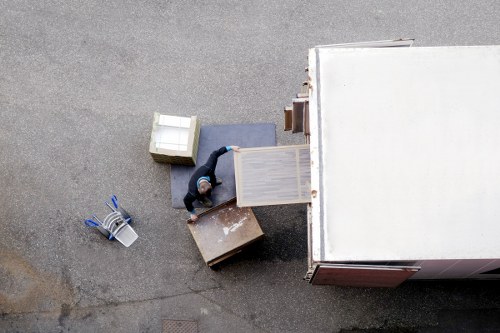
If you need a man with van service in West Kensington, the next step is simple: send the moving details and ask for a quotation. A short description of the load, the collection and delivery addresses, access conditions and any special handling requirements is usually enough to begin. The more accurately the job is described, the easier it is to suggest the right vehicle and outline the work involved.
We handle practical move requests with a focus on clear planning and careful transport. Whether the job involves a few large items, a home move, a furniture collection or a compact office transfer, the service can be shaped around the task rather than forcing the task into a fixed format. If you want to compare service information first, the relevant pages above can help, but if you are ready to move forward, start with a quotation request today.
When you contact us, it helps to include any item that is unusually heavy, fragile or difficult to access, along with the preferred moving date if you have one. That information supports a more useful response and reduces the need for follow-up questions. Ask for your quote now and share the details that matter most, so the move can be planned in a way that suits both the load and the location.