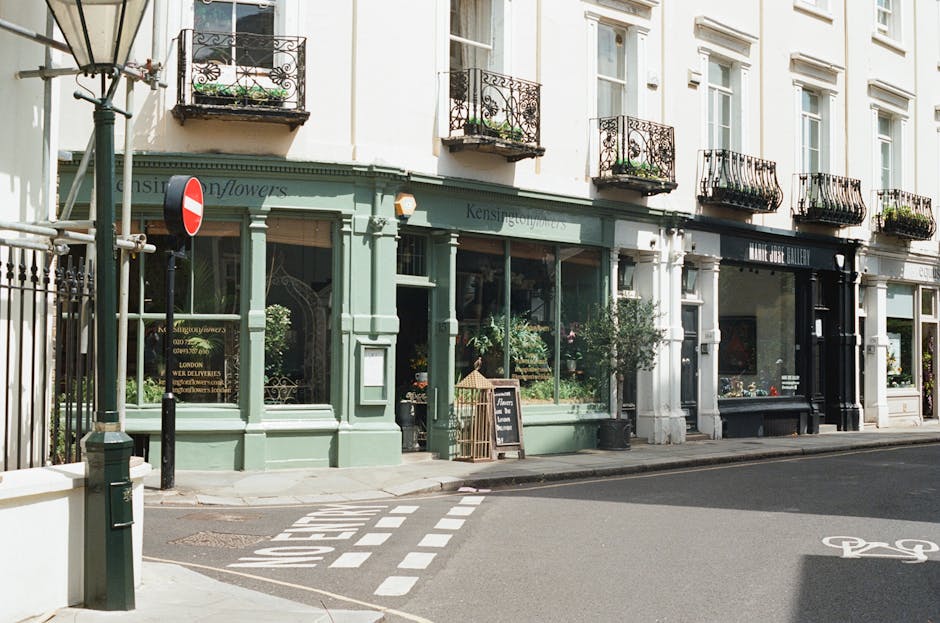
Kensington and Chelsea council parking rules for removals vans
Posted on 08/07/2026

Kensington and Chelsea council parking rules for removals vans: a practical guide for stress-free moving
If you are moving in or out of the Royal Borough, the parking side of the job can be the bit that quietly causes the most trouble. Kensington and Chelsea council parking rules for removals vans are not just a small detail; they can decide whether your move runs smoothly or turns into a morning of circling streets, unloading in a rush, and worrying about penalties. In a place like Kensington and Chelsea, with tight roads, controlled bays, and busy residential streets, it pays to plan the vehicle stop properly from the start.
This guide breaks down what usually matters, how the process works in practice, and what to check before the van arrives. You will also find a checklist, a comparison table, and a few hard-earned tips that make a real difference on moving day. To be fair, most removals problems in this part of London are avoidable if you prepare early.
- Why the parking rules matter
- How the rules work in practice
- Key benefits of getting it right
- Who needs to think about this
- Step-by-step guidance
- Expert tips
- Common mistakes to avoid
- Tools, resources and recommendations
- Law, compliance and best practice
- Options and comparison table
- Real-world example
- Practical checklist
- Conclusion
- Frequently asked questions
Why Kensington and Chelsea council parking rules for removals vans Matters
In Kensington and Chelsea, parking space is limited and demand is high. That sounds obvious, but it has a very real effect on removals. A van that cannot stop close to the building creates extra carrying distance, more time on the street, and more risk of blocking traffic or causing a complaint. On a narrow London road, a few extra minutes can matter quite a lot.
There is also the practical side. Removal teams often need to load heavy furniture, boxes, and awkward items quickly and safely. If the van is parked in the wrong place, the team may have to move faster than is sensible, or keep re-parking while carrying items. Neither is ideal. A proper parking plan helps protect your belongings, keeps the move calmer, and reduces the chance of fines or enforcement action.
In real life, this can be the difference between a move that feels organised and one that feels like a minor street drama. You know the type: one neighbour watching from behind the curtain, a delivery bike trying to squeeze past, and everyone slightly more stressed than they need to be. A little parking planning goes a long way.
It also matters if you are hiring professional movers such as a local man with a van service in West Kensington or arranging a larger team through removal services in West Kensington. The right operator should understand local access conditions, but you still need to know how your address fits into the council's parking setup.
How Kensington and Chelsea council parking rules for removals vans Works
The exact parking arrangement for a removals van depends on the street, the time of day, and the type of bay or restrictions in place. In practice, the council's parking system usually means one or more of the following:
- resident bays that may be restricted to permit holders during certain hours
- shared-use bays with time limits
- yellow line restrictions that may stop waiting or loading at some times
- loading bays in some locations, subject to specific rules
- temporary parking suspensions for works, skips, or other road use
For removals, the key question is not just "can the van stop here?" but "can it stop here long enough to load or unload safely?" That is where many people get caught out. A quick stop is one thing; a proper removals operation is another.
If the property is in a controlled parking area, a van may need permission, pay-by-phone parking, a loading exemption, or a pre-arranged bay suspension depending on the situation. The exact method can vary, so always check the specific street rather than assuming the whole borough works the same way. Kensington and Chelsea is not the sort of place where assumptions save time.
There is another wrinkle: some streets look like they should allow loading, but practical access is awkward because of single-file traffic, busier school runs, or very limited kerb space. On those streets, a smaller vehicle can sometimes be easier than one large removals lorry. That is why many customers compare options such as man and van support versus a more comprehensive house removals service.
What removals teams usually need to know
A good moving plan should cover:
- the full address and exact frontage of the property
- whether the van can park directly outside
- any resident permit bays or loading restrictions
- the expected length of loading time
- whether the move needs an early-morning or off-peak slot
- any building rules for access, lifts, or delivery entrances
When these details are clear, the move becomes a lot more predictable. That sounds simple, but it is exactly where many people save themselves a headache.
Key Benefits and Practical Advantages
Getting the parking side right offers several benefits that go beyond avoiding a ticket. First, it keeps the removal route shorter. Short carrying distance means less physical strain and less chance of damage to items. Second, it helps the team work at a steadier pace. Third, it reduces the chance that the van will be forced to wait in a risky place while someone "just runs upstairs once more". We have all seen that last-minute box-scramble. It never feels as organised as it sounds.
For people moving flats, especially in areas with basement or upper-floor access, a well-placed van can make the difference between a quick turnaround and a long day. If you are dealing with a compact property, a flat removals service is often easier to coordinate when the parking plan is already sorted.
For business moves, the benefits are even more obvious. Office equipment, files, and chairs can pile up fast. A sensible stop point near the entrance keeps the logistics moving and helps avoid awkward downtime. If that sounds familiar, it may be worth looking at office removals in West Kensington or broader removal company support that understands local restrictions.
Expert summary: In Kensington and Chelsea, the best removals parking plan is usually the simplest one that still keeps the van close, legal, and safe. Short distance, clear permission, and a realistic loading window. That is the sweet spot.
Who This Is For and When It Makes Sense
This guidance is useful for a wide mix of people. If you are moving house, shifting between flats, collecting a new sofa, or relocating an office, the same basic parking concerns apply. Students moving into or out of shared accommodation often need the same planning, especially where streets are tight and time is limited. For those moves, a dedicated student removals option can save a lot of fuss.
It also makes sense if you are:
- moving from a basement flat with steep steps
- taking delivery of heavy furniture or appliances
- arranging a same-day move with little margin for error
- co-ordinating with a landlord, concierge, or estate manager
- working around a narrow road or controlled parking zone
And yes, if you are the person who has left the parking bit until the night before, you are still in time. It just means you need to be more deliberate. There is no shame in that. Moving is messy enough without pretending everyone has a perfect plan.
Some households also combine removals with storage or packing help. If that is you, it can be worth checking storage options in West Kensington and packing and boxes support so the removals day is not overloaded with too many tasks at once.
Step-by-Step Guidance
If you want the smoothest possible outcome, work through the move in a practical order. Here is a straightforward approach that covers the parking issue without overcomplicating things.
- Check the exact street situation. Look at whether the property frontage has permit bays, timed loading, yellow lines, or suspension notices. Do not rely on memory from a previous visit; one street can change by the hour.
- Estimate the loading time honestly. People often underestimate this. A small flat can still take longer than expected if the stairs are narrow or the lift is slow.
- Speak to the removal provider early. Tell them the address, access details, floor level, and whether the van can wait nearby. This is especially helpful for services such as removal van hire or a flexible man with a van in West Kensington.
- Confirm any permission needed. If your street requires a parking permit, a loading arrangement, or a bay suspension, deal with it well before moving day. Don't leave it to chance.
- Prepare the building access. Let the concierge, neighbours, or building manager know what time the van is expected. This can reduce friction when the vehicle arrives.
- Keep essentials separate. If the van arrives and you are still packing, the whole schedule slips. Put documents, keys, chargers, and a kettle box aside somewhere easy to grab.
One practical tip that often gets missed: plan for the "buffer" time, not the perfect time. If you think loading will take 45 minutes, plan for an hour. London traffic, lift delays, and one missing box of cables can all stretch the day a bit.
Expert Tips for Better Results
In our experience, the best moves are the ones where the van is treated like part of the house, not an afterthought. Parking, loading, access, and packing all belong in the same conversation. A few tips really stand out.
Use the smallest suitable vehicle. Bigger is not always better in Kensington and Chelsea. A compact van can sometimes get closer to the door and finish faster than a large vehicle that has to stop further away.
Choose off-peak timing where possible. Early mornings can be quieter, and there is often less pressure on kerb space. Just make sure the building is open and the keyholder is ready. No one wants a van waiting at 7:30 a.m. while someone searches for the front door code.
Take access photos. A quick photo of the street, the entrance, and any parking signs can be useful. It helps the mover understand the layout, and it helps you remember what the street looked like before the day turns busy.
Build in a contingency plan. If the exact bay is occupied, where will the van go? If the road is temporarily blocked, what is the next-best stopping point? Thinking this through saves time later.
Use specialist help for awkward items. Pianos, antiques, oversized wardrobes, and fragile pieces need more than just enthusiasm. For those jobs, services like piano removals in West Kensington or furniture removals are usually a smarter fit.
And a slightly nerdy but useful point: don't let "parking" become shorthand for "we'll figure it out on the day". That approach tends to age badly.

Common Mistakes to Avoid
Most parking-related moving problems come from a small set of avoidable mistakes. The good news is that once you know them, they are easy enough to dodge.
- Assuming loading is always allowed. Not every bay or line is fair game, even for a short stop.
- Booking the van without checking the street. This often leads to last-minute reshuffling and extra walking distance.
- Underestimating the time needed. A move that sounds quick on paper can stretch once stairs, lifts, or parking delays are added.
- Forgetting to tell the mover about restrictions. If the driver does not know the street situation, they cannot plan properly.
- Leaving neighbours or building staff out of the loop. Small courtesy goes a long way, especially in shared buildings.
- Ignoring temporary suspensions or local works. These can change a normal parking plan into a mess pretty quickly.
A classic example is the person who packs everything beautifully but leaves the road plan until last. Lovely boxes, no parking. It happens more often than you would think.
If you are trying to avoid broader moving frustrations too, there is helpful reading on avoiding hidden removals fees and common urgent-removal problems. Those subjects often go hand in hand with parking stress.
Tools, Resources and Recommendations
You do not need a mountain of tools to manage removals parking well. You just need the right information, a few practical habits, and a provider who asks the right questions.
| Option | Best for | Strengths | Limitations |
|---|---|---|---|
| Small removal van | Flat moves, short streets, tighter roads | More flexible parking, easier kerb access, often simpler in central London | Less space, may need more trips if the load is large |
| Large removal van | Full-house or office moves | More capacity, fewer journeys, better for bulky loads | Harder to park close to the property in busy streets |
| Man and van service | Smaller moves, student relocations, single-item transport | Flexible, often quicker to position, good for local access challenges | May be less suitable for large household contents |
| Full removals team | Family homes, complex access, fragile or heavy items | More manpower, better coordination, easier handling of awkward furniture | Needs more planning and potentially more space to work safely |
For many people, the best starting point is a clear discussion with a provider who understands the area. A broad removals service in West Kensington can often advise whether your street is better suited to a smaller van, a timed arrival, or a more staged approach.
It can also help to use practical site notes: doorway width, staircase turns, lift size, and any loading bay distance. Keep them in one message. Not glamorous, but effective.
Law, Compliance, Standards, or Best Practice
Parking and loading arrangements sit inside a wider framework of road safety, local parking controls, and sensible commercial practice. While this article is not legal advice, the general rule is simple: do not assume a removal vehicle has a right to stop wherever it is convenient. In a borough like Kensington and Chelsea, controlled parking areas, loading restrictions, and traffic regulations can all affect what is possible.
Best practice usually means three things. First, comply with any posted signs or local controls. Second, plan for loading in a way that does not put pedestrians, neighbours, or the driver at risk. Third, keep the move efficient so the vehicle is not lingering in a restricted spot longer than necessary.
If you are hiring help, it is sensible to choose a company that treats safety, insurance, and compliance seriously. That includes the right handling approach for heavy items, sensible parking decisions, and an honest discussion of access problems. If you want a sense of how a provider approaches these matters, pages like insurance and safety, health and safety policy, and terms and conditions can be useful to review.
For environmentally minded moves, you may also want to think about waste minimisation and reuse. That does not change parking rules, of course, but it can reduce the number of trips and the overall complexity. A sensible move is usually a cleaner move. Simple as that.
Options, Methods, or Comparison Table
People often ask whether they should use a large removals van, a smaller man-and-van setup, or a more bespoke service. The right answer depends on the size of the move and the parking reality outside the property.
| Method | Parking pressure | Typical fit | Best use case |
|---|---|---|---|
| Large removals van | Higher | Full house, bigger office, many items | When capacity matters more than kerb flexibility |
| Man and van | Lower to medium | Small flat, student move, fewer bulky items | When access is tight and speed matters |
| Specialist item service | Varies | Pianos, antiques, awkward furniture | When handling skill matters more than volume |
If you are unsure which route fits your move, a quick call to a local provider can save a lot of guesswork. For example, a same-day removals option may be perfect for a smaller job, while a full team is better for a whole household. The parking situation often decides the answer before the furniture does.
Case Study or Real-World Example
Imagine a couple moving from a second-floor flat in Kensington into a nearby address in Chelsea. The new property sits on a street with limited bay space and busy daytime traffic. At first glance, they assume the van can stop outside for as long as needed. In reality, the street has a tight loading window and very little room to linger.
So what happens? They send the mover the exact address a few days ahead, share a photo of the frontage, and confirm that the lift in the building is small but usable. They also arrange for the van to arrive just after the morning rush. The result is a calmer move, less carrying distance, and no awkward scramble when other vehicles are passing.
That sort of planning is not flashy. It is just effective. And the little details matter most in this part of London. If the move had involved heavier furniture, they might also have combined it with furniture removals support and a better packing setup from packing and boxes services.
Sometimes, the win is simply not making the day harder than it needs to be.
Practical Checklist
Use this checklist the day before your move. It is the kind of list that saves people from having to improvise at 8:00 a.m. while balancing a lamp and a kettle box.
- Confirm the full move address and access details
- Check the street for bay restrictions, yellow lines, and loading rules
- Tell the mover whether the van can park directly outside
- Share any building entry codes, concierge rules, or lift limits
- Ask whether a smaller van would be easier for the street layout
- Prepare a buffer for traffic, parking, or loading delays
- Keep documents, keys, chargers, and valuables with you
- Notify neighbours or building staff if needed
- Separate fragile or urgent items for quick access
- Have a backup parking idea in case the first spot is taken
If you are moving at short notice, it is worth checking advice on booking delays and cancellations too, because parking problems and schedule changes tend to appear together. A bit annoying, yes. Also very fixable.
Get a free quote today and see how much you can save.
Conclusion
Kensington and Chelsea council parking rules for removals vans are one of those things that can seem small until the day of the move, when they suddenly matter a lot. The good news is that a sensible parking plan is completely manageable. Check the street, understand the loading situation, tell your mover early, and leave yourself a little breathing room.
Whether you are moving a studio flat, a family home, or a business space, the same principle applies: the closer the planning is to the real street conditions, the calmer the move will feel. And honestly, calmer is underrated. Moving day already has enough noise, boxes, and last-minute decisions without adding parking confusion to the mix.
Do the basics well, keep the communication clear, and you will give yourself a much easier day. That is usually enough to turn a stressful move into one that just gets done.