Talgarth Road difficult access removals tight stairs guidance
Posted on 21/06/2026
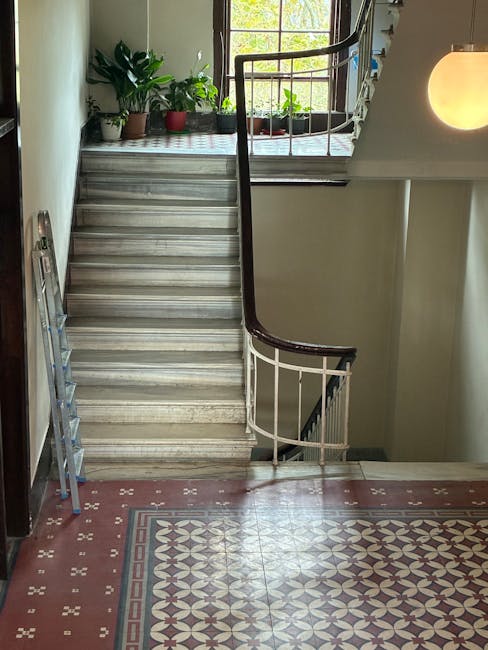
Talgarth Road Difficult Access Removals Tight Stairs Guidance
If you are planning a move around Talgarth Road and the thought of narrow stairwells, awkward turns, and heavy furniture makes your stomach tighten a bit, you are not alone. Talgarth Road difficult access removals tight stairs guidance is really about one thing: getting people, belongings, and vehicles through a tricky space without damage, delays, or a lot of unnecessary stress. In a place where a Victorian staircase can feel barely wider than a wardrobe and parking can be, well, a bit of a puzzle, good planning matters more than bravado.
This guide explains what difficult-access moving usually involves, why tight stairs change the job, and how to prepare properly. You will also find a practical checklist, comparison table, common mistakes to avoid, and a few real-world tips that can save time on the day.
Why Talgarth Road difficult access removals tight stairs guidance Matters
Removals become much harder when access is restricted. On Talgarth Road, that might mean a top-floor flat with a steep internal staircase, a narrow communal landing, limited waiting space outside, or a building where turning a sofa seems like an impossible bit of geometry. None of that is unusual in West London. It is just the reality of older housing stock and busy urban streets.
Why does this matter so much? Because access problems affect almost every part of the move: timing, labour, vehicle choice, packing method, protection materials, and even whether certain items should be dismantled before the crew arrives. A move that looks straightforward on paper can quickly become a two-hour stair puzzle if the measurements were guessed rather than checked.
It also matters for safety. Tight staircases can increase the risk of scraped walls, broken bannisters, dropped items, and strain injuries. In our experience, the people who have the smoothest moves are usually the ones who ask the awkward questions early. How wide are the stairs? Is there a bend halfway up? Can a mattress turn the corner? Is the lift actually usable, or does it stop one floor short? Those questions are not fussy. They are sensible.
There is also a financial angle. Difficult access often changes the quote. Not necessarily because anyone is trying to be difficult, but because extra time, extra carrying distance, additional lifting, or a second person may be needed. If you want to avoid surprises, it helps to read a clear guide to avoiding hidden removals fees before you commit.
Key idea: access issues are not a side note. They are one of the main factors that shape the whole removal plan.
How Talgarth Road difficult access removals tight stairs guidance Works
Good difficult-access moving starts before moving day. The process is usually a mix of survey, packing strategy, equipment choice, and route planning. If a mover understands the access properly, they can bring the right team size and avoid a lot of faffing around.
Here is the basic flow most experienced removal teams follow:
- Pre-move assessment: You share photos, measurements, or a video of the stairs, corridors, and entrance area. If needed, a site visit may be arranged.
- Risk spotting: The team checks for pinch points, fragile surfaces, low ceilings, sharp turns, and anything that could cause damage or slow the move.
- Vehicle and crew planning: A suitable van size and enough movers are allocated. For tight stairs, two people can be the difference between safe handling and a messy bottleneck.
- Packing and dismantling: Large items may need to be broken down in advance. Boxes are packed to manageable weights, not just stuffed until they are heroic and impossible.
- Protection setup: Stair runners, door protection, blankets, and wrap may be used to reduce scuffs and knocks.
- Careful loading and carrying: Items are moved in a controlled sequence, usually starting with the most awkward pieces while everyone is fresh.
That may sound simple. In practice, the little details matter. A landing that is 10 centimetres too tight can change everything. So can a radiator mounted exactly where the fridge needs to pivot. Tiny things, big headaches.
For a broader look at how local moves are organised, the services overview is helpful, especially if you are comparing support for a flat move, furniture delivery, or a more complex job.
If you are specifically moving from a compact apartment, you may also want to look at flat removals in West Kensington and furniture removals in West Kensington, since those services often deal with exactly the kind of access constraints described here.
Key Benefits and Practical Advantages
When difficult access is planned properly, you do not just reduce stress. You make the whole move more controlled. That is the real advantage. The best outcome is rarely flashy; it is calm, steady, and uneventful. Which, to be fair, is exactly what most people want on moving day.
- Less risk of damage: Careful route planning and protection reduce scuffs to walls, stair edges, and furniture.
- Faster completion: Fewer surprises mean less time spent improvising on the stairs.
- Better staff safety: Load management and proper lifting reduce strain and accidental drops.
- More accurate pricing: A clear access picture leads to a quote that is closer to the real job.
- Smarter packing: Heavy or awkward items can be packed and labelled with the stair layout in mind.
- Less disruption to neighbours: Tight communal spaces can be managed more neatly when the plan is clear.
There is also a confidence benefit. People often underestimate how much calmer they feel once the difficult bit has been explained clearly. A good mover can tell you, in plain English, whether a bed frame needs dismantling or whether a wardrobe should stay in pieces until it reaches the new place. That clarity is worth a lot.
For readers wanting a flexible moving format that can suit short-notice access challenges, man with a van in West Kensington and man and van West Kensington options are often worth considering, especially when the move is small but fiddly.
Who This Is For and When It Makes Sense
This kind of guidance is relevant to more people than you might think. It is not only for full-house moves or big furniture deliveries. In fact, the trickiest jobs are often the modest ones: one heavy sofa, a piano, a student flat, or a top-floor office archive move where the lift is out of service. Small job, big staircase. You know the type.
You will benefit from this guidance if you are:
- moving into or out of a flat with narrow or steep stairs
- dealing with a building that has poor access or no lift
- moving bulky furniture such as wardrobes, beds, or white goods
- booking a same-day or short-notice removal
- preparing for a student move with lots of boxes and limited space
- coordinating an office move in a building with restricted entry points
- trying to move with minimal disruption to neighbours and shared hallways
It also makes sense if you are not fully sure what counts as difficult access. Sometimes people think, "Oh, the stairs are only a bit tight." Then the van arrives and everyone discovers the sofa is wider than the turning space. That is exactly why advance checks matter.
For students, there is a dedicated student removals West Kensington service that can be useful for smaller loads and shared-house logistics. If time is tight, same-day removals in West Kensington may be the better fit, provided access details are shared early.
Step-by-Step Guidance
Here is a practical way to handle a difficult-access move on Talgarth Road without turning it into chaos.
1. Measure the route, not just the room
Measure the width of stair flights, landings, doors, and any awkward corners. Do not stop at the front door. Measure the path from the room to the van. That is the route that matters.
2. Photograph the pinch points
A few clear photos are often more useful than a long explanation. Take pictures from the bottom and top of the stairs, the landing, and any sharp turns. If there is an elevator, photograph the inside and the approach to it. A short video walk-through can be even better.
3. Identify the large items first
List the pieces most likely to cause problems: sofas, mattresses, bed bases, glass tables, wardrobes, and exercise equipment. These are the items that will determine the method. Boxes usually follow the furniture plan, not the other way around.
4. Decide what should be dismantled
As a rule, anything long, broad, or awkward is worth considering for dismantling. A bed frame may be fine in sections. A dining table might need its legs removed. A wardrobe could be safer in separate panels. It is not a sign of weakness. It is just sensible.
5. Pack for carryability
Boxes on stairs should be steady, balanced, and not absurdly heavy. Books and tools are the usual culprits here. One box full of books can be more dangerous than three lighter boxes because it shifts weight at the worst moment.
6. Protect the building before anything moves
Use floor and wall protection where needed. Communal hallways, paintwork, and stair edges tend to suffer first if nothing is covered. A few minutes of setup can save a lot of apologising later.
7. Leave the route as clear as possible
On the day, keep corridors free of loose shoes, bins, coats, and random things that seem to multiply right before a move. It sounds obvious, but everyone forgets one small item and then trips over it. Always.
8. Keep the sequence calm
Start with the most awkward item while the team is fresh, then move to boxes. A good order reduces congestion on the stairs and keeps the move flowing. If you have fragile pieces, let the movers know which items should not be stacked or tilted.
If you are moving a piano or another high-value item, the plan becomes even more specific. It is worth reading piano removals in West Kensington guidance alongside this article, because tight stairs and delicate load handling need a more cautious approach.
Expert Tips for Better Results
Here are the little things that make a surprisingly big difference.
- Share access details early. Do not leave stair width, parking, or lift information until the day before. Early notice helps the crew plan properly.
- Keep a spare route in mind. If the main entrance is awkward, ask whether another access point is usable. Even a rear path can sometimes save a job.
- Label boxes by room and weight. A "heavy" label helps more than you might expect when a mover is halfway up a narrow staircase.
- Separate fragile items from awkward ones. Fragile does not always mean small, and small does not always mean easy.
- Ask about insurance and handling practices. You want to know how the crew approaches accidental damage, stair protection, and item wrapping.
- Plan around neighbours. In busy blocks, a little courtesy goes a long way. A brief note in the hall or a polite conversation can prevent grumbles.
And a small but important one: if you are moving in or out of a building where access is especially challenging, it is often worth hiring a team that regularly works in local flats rather than assuming any mover will do. Experience with tight spaces is not a luxury. It is the job.
For more about how a moving team approaches safety and handling, see insurance and safety and the company's health and safety policy.
Common Mistakes to Avoid
The same mistakes come up again and again. Nothing dramatic, just the kind of avoidable stuff that causes delay and a fair bit of muttering.
- Guessing the measurements: "It should fit" is not the same as measuring the staircase and checking the turn.
- Overpacking boxes: Heavy boxes on stairs are awkward, unsafe, and slower to carry.
- Ignoring parking issues: If the van cannot get close enough, every item becomes a longer carry.
- Leaving dismantling too late: Bed frames and wardrobes should not become a same-morning surprise.
- Not telling the movers about the lift: A lift that is out of service, small, or awkwardly placed changes the whole plan.
- Forgetting protection materials: Hallways and bannisters need care, especially in older buildings.
- Assuming all items can be carried upright: Some furniture needs to be tilted, rotated, or handled in sections.
There is a subtle point here: a move rarely fails because of one giant problem. It usually fails because of five small ones that were not mentioned. That is why honest, detailed communication pays off.
Tools, Resources and Recommendations
You do not need a warehouse of equipment to manage tight stairs well, but a few practical tools help a great deal.
| Tool or Resource | Why It Helps | Best Used For |
|---|---|---|
| Measuring tape | Checks stair width, door gaps, and landing turns | Planning whether large furniture will fit |
| Phone camera or video | Shows the route far better than description alone | Sharing access details with movers |
| Furniture blankets | Reduces scratches and knocks | Protecting furniture and building surfaces |
| Stretch wrap | Keeps doors, drawers, and loose parts secure | Transporting drawers, legs, and panels |
| Labels and marker pens | Makes room placement and heavy-item warnings clear | Efficient unloading and stair handling |
| Allen keys and basic tools | Helpful for dismantling beds and modular pieces | Pre-move furniture breakdown |
If you need storage while sorting out access, timing, or renovation work, storage in West Kensington can be a practical buffer. It is often useful when a flat is not ready, the staircase is too restrictive, or you simply want to move in stages.
For packing supplies and box planning, the packing and boxes West Kensington page can help you think through the materials side of the move.
Law, Compliance, Standards, or Best Practice
When a removal involves difficult access, the main compliance concerns are usually safety, building protection, and responsible handling of property. In the UK, movers are expected to work with care, reduce avoidable risk, and follow sensible manual-handling practice. That means assessing loads, using enough people, and not forcing an item through an opening where damage or injury is likely.
Best practice also means being honest about limitations. If a sofa is too large for a staircase, it should not be wrestled through until something bends, cracks, or scuffs. Sometimes the right answer is dismantling. Sometimes it is a different route. And sometimes, frankly, it is a different item plan altogether.
For residents and landlords, there is another practical consideration: communal areas belong to more than one person. Protecting shared halls, lifts, and stairwells is not just courteous; it helps prevent complaints and disputes later on. If your move is in a managed building, check any access rules in advance. Nothing fancy, just ask early and keep everyone informed.
It is also sensible to read the company's terms and conditions and accessibility statement so expectations are clear. That is especially useful when access needs are more complex than average.
Options, Methods, or Comparison Table
Different moves call for different methods. The table below gives a simple comparison of common approaches for tight-stair removals.
| Method | Best For | Advantages | Limitations |
|---|---|---|---|
| Standard two-person carry | Small to medium moves with manageable stairs | Efficient and cost-effective | May struggle with bulky furniture or very narrow turns |
| Dismantle-and-carry | Wardrobes, beds, tables, modular furniture | Makes awkward items much easier to move | Requires tools and reassembly time |
| Extra crew support | Heavy, fragile, or high-volume jobs | Safer handling and smoother stair control | Can cost more than a basic move |
| Staged move with storage | Renovation delays or highly restricted access | Reduces pressure and allows timing flexibility | Needs two trips or temporary storage |
| Same-day van support | Urgent small moves with simple item lists | Fast turnaround | Not always ideal for complex access without planning |
There is no single best method. The right choice depends on what you are moving, how tight the stairs really are, and how much time you have. If you are comparing local removal options more broadly, removal services in West Kensington and removal companies in West Kensington are useful starting points.
Case Study or Real-World Example
Here is a realistic example. A couple on Talgarth Road were moving from a first-floor flat with a narrow internal staircase and a landing that turned sharply near the top. Their largest items were a double bed, a two-seater sofa, a bookcase, and around twenty boxes. Nothing outrageous. On paper, it looked like a standard local move.
Once the measurements were reviewed, it became clear the sofa would not turn safely in one piece. The bed frame was dismantled the evening before, the bookcase shelves were removed, and the boxes were separated into lighter loads. The movers arrived with protection materials, took the awkward pieces first, and kept the stairwell clear. The job still required care, but it was controlled and finished without damage.
What changed the outcome? Not strength. Planning.
That is the heart of difficult-access removals. You do not win by forcing the biggest object through the smallest gap. You win by preparing for the gap before the van arrives. A simple bit of foresight saves a surprising amount of effort.
Practical Checklist
Use this checklist a few days before the move. It is short, but it covers the stuff that matters.
- Measure stair width, doorways, landings, and any tight bends
- Take photos or a short video of the access route
- List the largest and heaviest items first
- Decide which items need dismantling
- Pack boxes to sensible weights
- Label fragile boxes and heavy boxes clearly
- Confirm parking arrangements for the van
- Check lift access, if there is a lift
- Protect floors, walls, and bannisters where needed
- Tell the movers about anything unusual, even if it feels minor
- Keep corridors and stairs clear on moving day
- Have tools ready for quick dismantling or reassembly
Practical summary: if you measure properly, pack wisely, and speak up about the awkward bits, tight stairs become manageable rather than mysterious.
Conclusion
Talgarth Road difficult access removals tight stairs guidance is really about reducing uncertainty. When access is awkward, the move needs a bit more thought, a bit more honesty, and a bit more patience. That is not a bad thing. It just means the move should be planned around the building, not the other way round.
With the right measurements, sensible packing, and a team that understands narrow stairways, even a tricky flat move can be handled calmly. And honestly, calm is underrated. If you are preparing a move with tight access, start early, share the awkward details, and make the plan fit the space you actually have. It tends to work better that way.
Get a free quote today and see how much you can save.